
Dysphagia
Causes
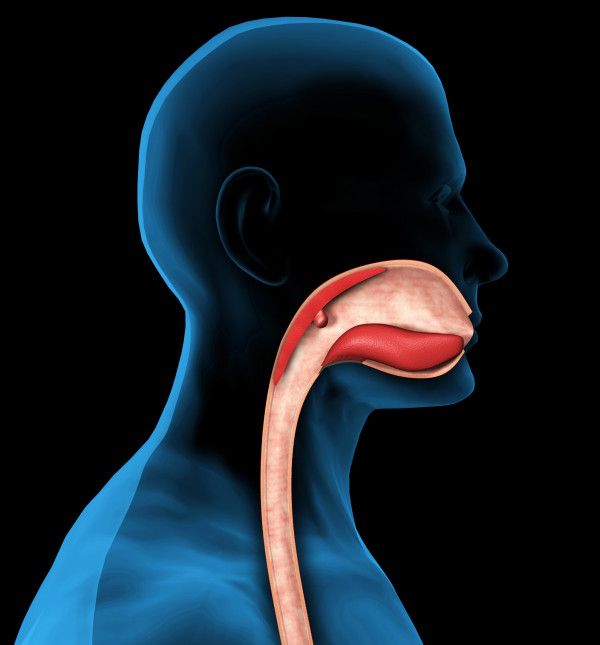
Dysphagia may result from neurological disorders (such as stroke or Parkinson’s disease), esophageal obstructions, or muscle weakness affecting swallowing.
Symptoms
Symptoms include difficulty swallowing, pain or discomfort during swallowing, choking, and regurgitation of food.
Nutrition Intervention
Below is a comprehensive table of recommended and not recommended foods for each disease, providing clear guidance for optimal dietary choices.
| Group | Recommended foods | Not recommended foods | Restricted Foods |
|---|---|---|---|
| Dairy products | Milk, yogurt and soft dairies. | N/A | |
| Fruits | All canned and cooked fruits, 100 % fruit juices. | Chewy fruit and dried fruits. | N/A |
| Vegetables | All cooked, soft vegetables. | All raw vegetables. | N/A |
| Starch | All tender potatoes, soft cereals. | Dry bread, toast, crackers, baguettes, wheat or bran flakes. | N/A |
| Proteins | Soft red meat, soft poultry with sauce, eggs. | Tough, dry poultry (chicken and turkey), poultry with bone, Tough, dry, red meats (beef, pork, lamb) or meats with bone. | N/A |
| Fat | Olive, and canola oils, margarines, butter. | Nuts, seeds, coconut, all fat difficult to chew. | N/A |
| Sugars | All seasonings and sweeteners, including honey, jams. | Candies. | N/A |
| Others | Pudding, custard, Frozen desserts such as ice cream, sherbet, malts, and frozen yogurt. | Chewing gum, chips, popcorn, rice cake. | N/A |